Energy Efficiency and Sliding Doors: Everything You Should Know
Energy efficiency remains an essential element for homeowners looking to enhance comfort and reduce costs. Sliding doors, when built with particular attributes, serve a major function in reaching these objectives. Familiarizing oneself with the diverse components and installation approaches can produce meaningful savings and better indoor surroundings. As energy-efficient sliding doors grow more widespread, it prompts inquiries about the optimal strategies for choosing and caring for them. What are the primary aspects to assess?
Why Choose Energy-Efficient Sliding Doors?
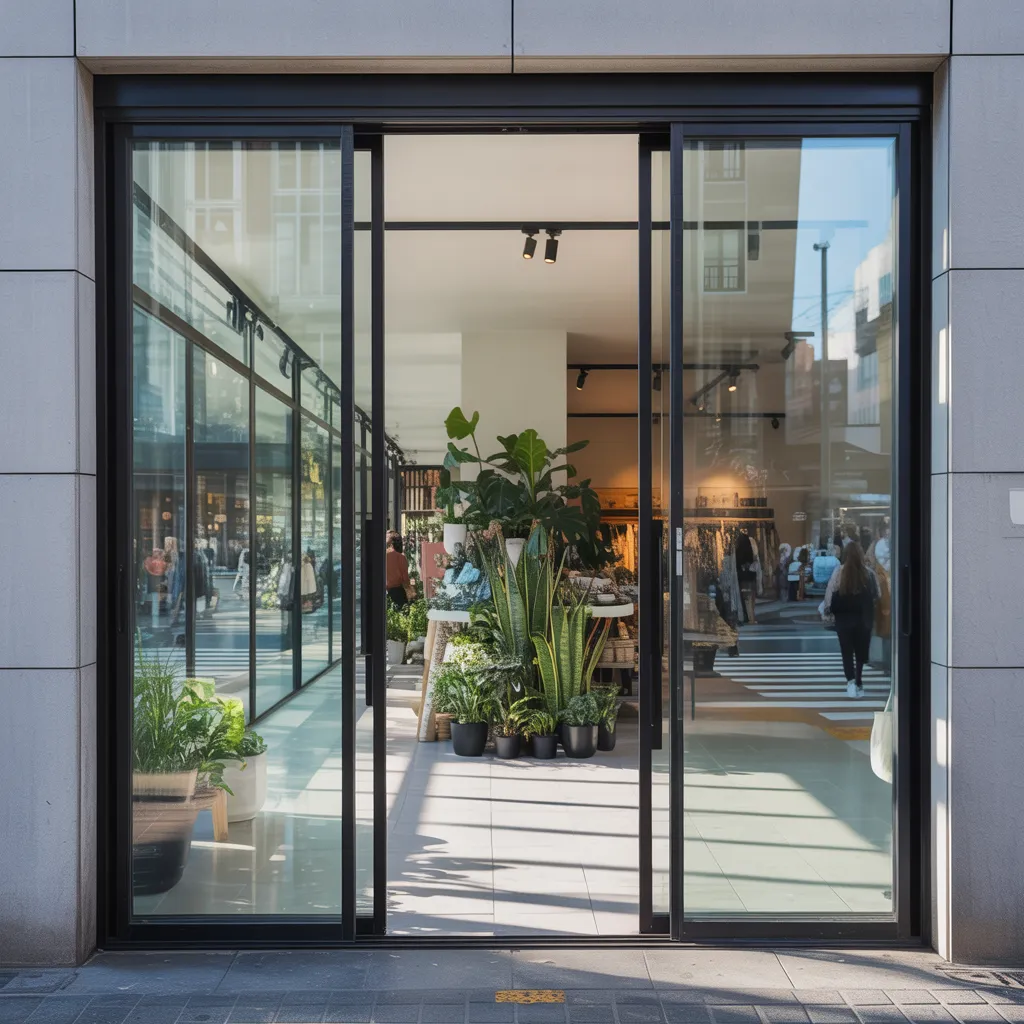
Energy-efficient sliding doors offer significant benefits for homeowners looking to enhance comfort and reduce energy costs. These doors are designed to minimize heat transfer, which helps maintain a stable indoor temperature throughout the year. By preventing drafts and limiting thermal loss, they contribute to a more consistent and pleasant living environment.
Furthermore, energy-efficient sliding doors frequently feature cutting-edge materials and techniques that enhance insulation. Residents are able to benefit from greater amounts of natural light while enjoying decreased dependence on conventional lighting. Also, these doors are often engineered to block harmful UV rays, safeguarding indoor furnishings against discoloration.
Investing in energy-saving sliding doors can lead to decreased utility expenses over time, making them an economical option. Residents may also discover that these doors enhance the overall value of their home. During a time centered around sustainability and efficiency, investing in high-efficiency sliding doors is a wise and sustainable choice.
Key Features That Improve Energy Efficiency in Sliding Doors
While many homeowners seek to enhance energy efficiency, the features of sliding doors play a crucial role in achieving this goal. A primary feature includes multi-point locking systems, which guarantee a tight seal and reduce air leakage. Low-emissivity (Low-E) glass is another essential element, deflecting heat while permitting natural light, thereby maintaining indoor temperatures. Additionally, weatherstripping installed around the door frame works to block drafts, enhancing insulation.
Thermal breaks within the frame can also play a significant role, reducing heat transfer and enhancing overall energy efficiency. Furthermore, the choice of a well-fitted track system can reduce friction, providing smooth functionality without undermining the seal. Lastly, the integration of energy-efficient hardware, such as insulated handles and locks, can contribute meaningfully to sustained energy efficiency. Collectively, these attributes enable homeowners to maintain comfortable homes while cutting down on energy consumption and costs.
Materials That Improve Insulation and Performance
The decision of components for sliding doors is fundamentally important in enhancing their insulation and overall performance. High-performance frame materials, such as fiberglass and vinyl, markedly reduce thermal transfer, while high-performance glass options enhance energy retention. Combined, these components lead to a greater level of indoor comfort and lower energy costs.
Eco-Friendly Frame Materials
Sliding doors can greatly enhance a home's thermal performance when constructed with the right frame material options. Materials such as vinyl, fiberglass, and wood-clad frames provide excellent insulating qualities. Vinyl frames are particularly effective, as they withstand temperature changes and reduce thermal transfer. Fiberglass frames, valued for their resilience and reduced thermal conductivity, additionally minimize energy loss. Wood-clad frames blend the visual charm of natural wood with the thermal advantages of complementary materials, delivering an equilibrium of design and efficiency. Moreover, aluminum frames with thermal breaks may also perform efficiently when engineered properly. Selecting the appropriate frame material plays a vital role in maximizing energy efficiency and preserving a pleasant interior climate while reducing energy expenses.
Top-Tier Glass Choices
High-performance glass options substantially boost the energy efficiency of sliding doors, providing cutting-edge insulation and efficiency benefits. These innovative glazing systems commonly incorporate two or three-pane arrangements, which trap air or gas between layers, markedly reducing heat transfer. Low-E reflective coatings additionally enhance thermal performance by reflecting heat back into the home while enabling daylight to filter inside. Moreover, many premium glass configurations feature inert argon or krypton gas layers, enhancing thermal insulation. Such characteristics not only support a more comfortable indoor environment but also overview reduce energy expenses. By choosing sliding doors featuring advanced glazing, homeowners can achieve a harmony between visual appeal and thermal performance, making a valuable investment for long-term savings and sustainability.
How Proper Installation Boosts Energy Savings
The proper fitting of sliding doors considerably boosts energy conservation by providing airtight seals and optimal alignment. When sliding doors are correctly fitted, they minimize air leakage, which is a frequent cause of energy loss in residential properties. Spaces or misalignments can permit conditioned air to seep out, leading to increased heating and cooling costs.
Moreover, proper installation contributes to the durability and performance of the doors, reducing the likelihood of wear and tear that can compromise energy efficiency over time. A skilled installer will ensure that the door frame sits evenly and that each component, including tracks and rollers, is performing as expected.
Finally, expert installation typically follows the manufacturer's specifications, which can optimize the energy efficiency ratings of the sliding doors. By investing in quality installation, homeowners are able to realize significant energy savings while elevating the overall comfort of their homes.
Evaluating the Costs and Benefits of Sliding Doors
When considering sliding doors, assessing the initial expenditure is important, as costs can vary markedly based on materials and design. Moreover, lasting energy efficiency benefits can compensate for the upfront cost, making it essential to evaluate energy efficiency ratings. Understanding these factors will help homeowners reach well-informed conclusions that balance upfront costs with future benefits.
Preliminary Investment Factors
Choosing sliding doors can offer significant long-term benefits, but initial costs are essential to evaluate. When evaluating sliding doors, buyers should examine the price of installation, materials, and required structural changes. Superior materials, such as fiberglass or low-E glass, may have a larger starting investment but can improve energy performance and longevity. Additionally, the complexity of the installation process can impact labor expenses. It is critical to balance these upfront expenses with the anticipated benefits, including improved appearance and energy cost reductions. Homeowners should also examine warranty options and maintenance requirements, as these factors can impact long-term value. Ultimately, a comprehensive analysis will help in arriving at a knowledgeable choice regarding the commitment to sliding doors.
Long-Term Energy Savings
Even though the starting investment in sliding doors might seem overwhelming, the long-term energy savings can considerably outweigh these costs. Sliding doors built for energy efficiency work to limit heat loss during winter months and lower cooling needs in summer, leading to decreased monthly utility expenses. Over time, the energy savings can offset the higher purchase and installation costs, making them a financially wise choice. Additionally, many sliding doors come with features such as low-emissivity (Low-E) glass, which enhances insulation. Property owners may also take advantage of available tax credits or rebates designed to encourage energy-efficient improvements. At the end of the day, investing in sliding doors not only improves the overall look of a home but also generates meaningful savings on energy expenditures in the years ahead.
Material and Design Impact
The choice of design and material greatly impacts the efficiency and performance of sliding doors. Typical materials consist of vinyl, aluminum, and wood, each providing distinct advantages. Vinyl delivers outstanding insulation and demands little to no maintenance, while aluminum is lightweight and durable, often featuring thermal breaks to boost thermal performance. Wood, while visually appealing, often demands greater maintenance.
Design elements, like the glazing style used, play an essential role in thermal performance. Multi-pane glazing can greatly reduce heat transfer, supporting temperature regulation. Additionally, the fit and seal of the door influence draft infiltration, which can affect overall energy costs. All things considered, choosing appropriate materials and configurations can lead to considerable long-term energy savings and enhanced comfort throughout the home.
Guidelines for Preserving the Efficiency of Your Sliding Doors
Keeping energy-saving sliding doors is critical for maximizing their performance and longevity. Routine cleaning is essential; accumulated dirt and debris may impair their function and diminish insulation efficiency. Property owners should utilize a mild soap solution and a soft cloth to clean both the glass and frame, guaranteeing seals remain intact.
Examining the weather stripping on a routine basis is also important. Damaged or worn strips should be swiftly replaced to preserve thermal performance. Furthermore, applying lubrication to the track and rollers with a silicone-based lubricant can minimize wear and promote smooth operation.
Checking for drafts by performing a simple hand test around the edges can help identify areas needing attention. When drafts are found, applying caulk or weather stripping can enhance energy efficiency. Finally, confirming that the doors align properly will prevent gaps, which further enhances their performance. Regular maintenance not only conserves energy but also extends the lifespan of sliding doors.

Commonly Asked Questions
Do Energy-Efficient Sliding Doors Require Special Cleaning Products?
Energy-efficient sliding doors do not always call for specialized cleaning products. Common mild cleaning solutions and soft cloths generally do the job, guaranteeing adequate upkeep without harming the materials or undermining their energy-saving qualities. Consistent cleaning boosts their lifespan and overall performance.
In What Ways Do Sliding Doors Affect Home Resale Value?
Sliding doors have the potential to boost home resale value by improving aesthetics and functionality of a property. Prospective buyers frequently value the abundance of natural light and accessibility they bring, making properties with well-maintained sliding doors more attractive in today's competitive real estate market.
Are Energy-Efficient Sliding Doors Customizable for My Home?
Yes, homeowners are able to customize sliding doors with energy-efficient features to meet their specific preferences. Options include multiple materials, styles, and energy ratings, providing for superior insulation and aesthetic appeal while boosting overall home performance and comfort.
What Are the Available Warranty Choices for Energy-Efficient Sliding Doors?
Warranty options for energy-saving sliding doors generally differ by manufacturer, usually extending from ten years to lifetime coverage. Homeowners should closely inspect specific terms, including coverage on materials, workmanship, and energy performance guarantees.
Do Tax Incentives Exist for Installing Energy-Efficient Sliding Doors?
Indeed, there are financial incentives offered for installing energy-efficient sliding door systems. Qualifying homeowners may be eligible for federal tax credits or local rebates, that promote energy-saving upgrades and enhance general energy efficiency in residential properties.